
Sofa Designs
From the deep button tufting of a Chesterfield to the clean geometry of a modern sectional — explore the silhouettes, shapes and proportions that define a living room.
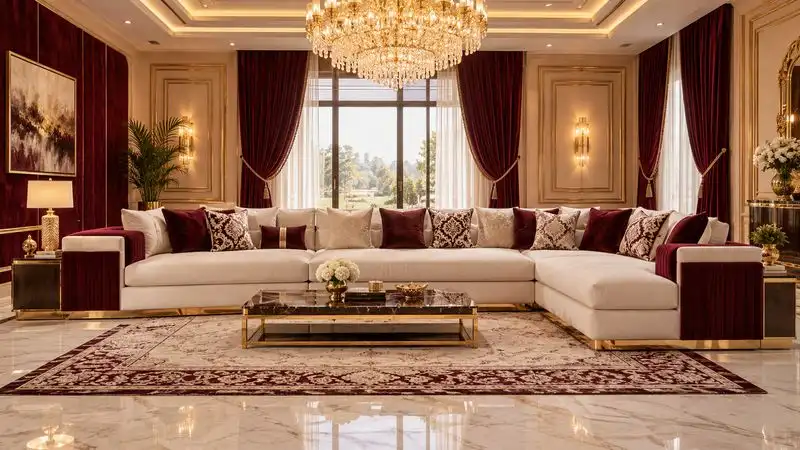
Design is the first thing your room notices
Fabric and colour can be changed. The shape of a sofa cannot.
A sofa's design decides how a room reads before anyone sits down. Arm height, back profile, seat depth and leg style work together to make a piece feel formal or relaxed, light or grounded, classic or contemporary. A low-back modern sofa opens up a small apartment; a rolled-arm Chesterfield anchors a large, traditional living room. Get the silhouette right and everything else — cushions, rugs, side tables — falls into place around it. This is our complete library of sofa designs, organised so you can go straight to the shape your space is asking for.
Browse by design family
Three main routes into the collection.
Modern & Chesterfield
The two ends of the design spectrum — minimal contemporary frames with slim arms and clean lines, and the rolled-arm, deep-buttoned Chesterfield that has stayed in style for two centuries.
Explore designs →Sectional & L-Shape
Corner-hugging layouts built for togetherness. Chaise ends, modular units and reversible configurations that turn an awkward corner into the best seat in the house.
Explore designs →Sofa Seating Sizes
Two-seater, three-seater, four-seater and beyond. How seat count changes proportion, walkway space and the way a design sits inside a room.
Explore designs →The classic sofa silhouettes
Every design below has a distinct profile. Learn to recognise them and sofa shopping gets far easier.
Chesterfield
Deep diamond button tufting, rolled arms that sit level with the back, and a low, grounded stance. Formal, heavy and instantly recognisable — best in rooms with space to let it breathe. Read the Chesterfield guide →
Lawson
Loose back cushions set separately from the frame, with arms lower than the backrest. The most comfortable of the traditional shapes and the easiest to live with day to day.
Tuxedo
Arms and back at exactly the same height, forming a crisp rectangle. Tailored, architectural and best suited to structured rooms with strong lines.
Mid-Century Modern
Tapered wooden legs, tight cushions, slim track arms and a raised base that shows floor underneath. Visually light — a reliable choice for compact living rooms.
Sectional
Multiple units joined into one seating run. Configure it as a U, an L or a straight line, and reconfigure when the room changes. Built for families and film nights.
L-Shaped
A long run with a chaise or short return at one end. Uses a corner properly instead of leaving it dead, and gives you a lounging seat without an extra footstool. Read the L-shaped guide →
Corner Sofa
Designed to wrap two walls and maximise seat count in a fixed footprint. The design choice for narrow, square or open-plan rooms. Read the corner sofa guide →
Togo & Low-Slung Modular
Frameless, legless, all foam and folds. A floor-level silhouette that reads as sculpture and suits relaxed, contemporary interiors. Read the Togo guide →
Reclining Sofa
Mechanism built into the frame, so the design has to carry extra depth and rear clearance. Modern wall-hugger versions keep the profile far tidier than older recliners. Read the reclining sofa guide →
Camelback
An arched back that rises to one or two humps in the centre, usually on exposed wooden legs. Elegant and upright — a formal sitting-room design rather than a lounging one.
Bridgewater
Low rolled arms set back from the front, a softly padded back and a skirted base. Understated and unfussy — it lets the upholstery do the talking.
Cabriole
A continuous curved back and arms of equal height, often on carved legs. A small-scale, decorative design that works beautifully as an accent piece.
Loveseat & Settee
Two-seat versions of larger silhouettes. Ideal for apartments, bedroom corners, or paired facing each other in place of one long sofa.
How to choose the right design
Five checks that separate a sofa that fits from one that fights the room.
- Measure the room, then the doorway. Leave 75–90 cm of walkway around the sofa, and confirm the frame clears your door, stairwell and lift before anything else.
- Match the back height to the room. Low backs make small and open-plan spaces feel larger; high backs suit tall ceilings and rooms where the sofa is the focal point.
- Choose arms by how you actually sit. Track and slim arms save centimetres; rolled and English arms add comfort for lounging but eat into seat width.
- Use legs to control visual weight. Raised tapered legs show floor and lighten a design. Skirted or floor-level bases feel solid and grounded.
- Set seat depth to your height. Around 55 cm suits upright sitting and shorter frames; 65 cm and above is built for curling up with your feet on the seat.
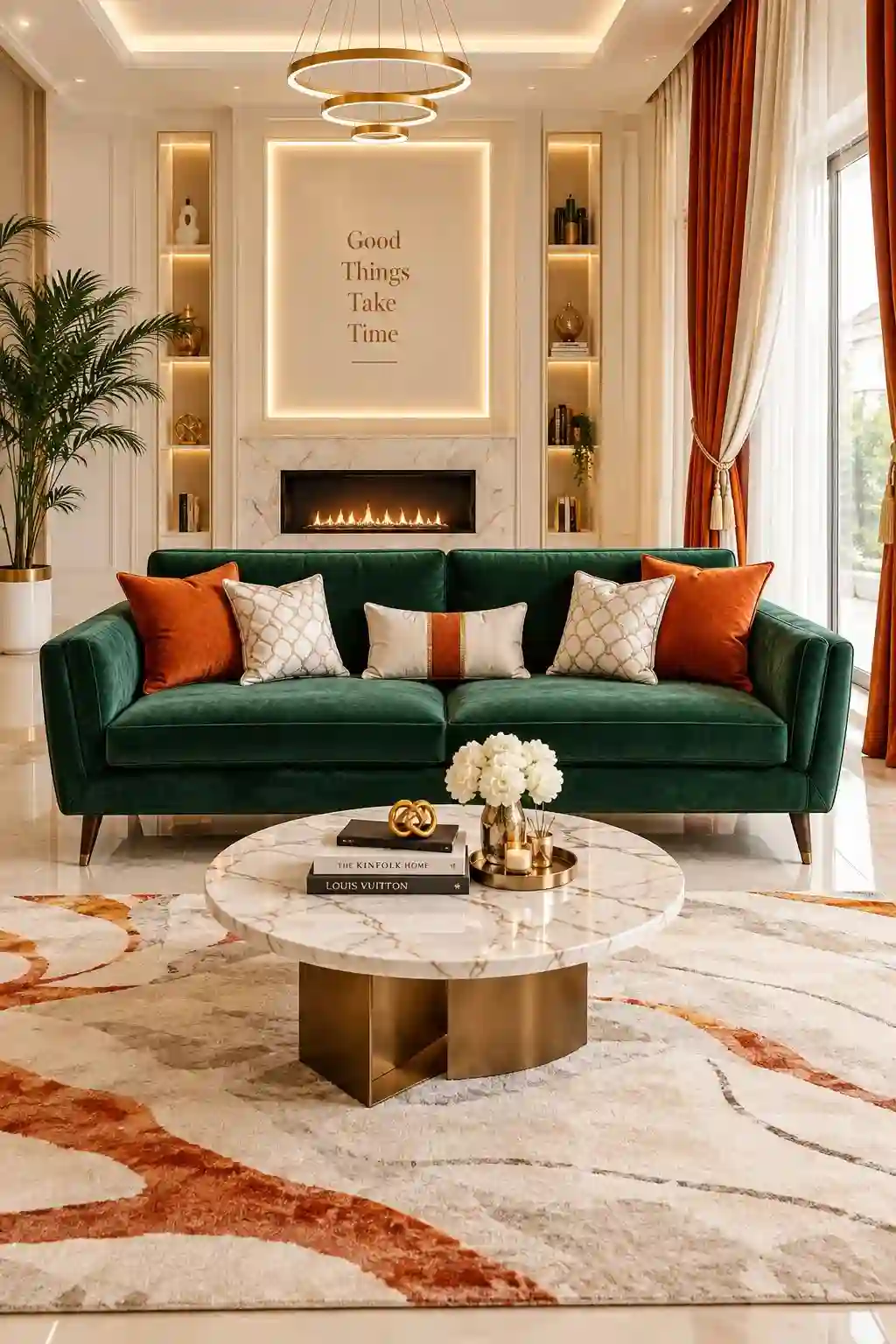
Which design suits your room?
A quick reference for matching silhouette to space.
| Your space | Designs that work | Why it fits |
|---|---|---|
| Small apartment | Mid-century, Loveseat, Tuxedo | Raised legs and tight cushions keep sightlines open |
| Open-plan living | Sectional, Modular | Defines zones without needing walls |
| Narrow or square room | L-shaped, Corner | Puts the dead corner to work |
| Formal sitting room | Chesterfield, Camelback | Structured silhouettes that hold a room |
| Family TV room | Reclining, Sectional | Deep seats and long runs for several people |
| Contemporary loft | Togo, Low modular | Sculptural floor-level shapes suit tall, bare spaces |
Frequently asked questions
Which sofa design is best for a small living room?
Designs with exposed legs and a lower back — mid-century modern, Tuxedo and two-seat Lawson styles. Raised legs let light and floor show through, which makes the whole room read as larger. Avoid skirted bases and oversized rolled arms in tight spaces.
What is the difference between a sectional and an L-shaped sofa?
An L-shaped sofa is usually one fixed piece with a chaise or return at one end. A sectional is built from separate modules that connect, so it can be reconfigured into an L, a U or a straight line whenever your layout changes.
Are Chesterfield sofas still in style?
Yes. The deep-tufted, rolled-arm silhouette has stayed relevant for over two hundred years because it works as both a traditional and a statement contemporary piece — particularly in velvet or a deep-toned leather.
How do I know if a sofa design will fit my room?
Tape the sofa's full footprint onto the floor before ordering, and keep 75–90 cm clear for walkways. Then check the diagonal depth of the frame against your narrowest doorway, corridor or stair turn.
Can I mix two different sofa designs in one room?
Yes, as long as one element ties them together — matching leg finish, similar arm height, or a shared colour family. A common approach is one large modern sofa paired with a smaller classic settee or a pair of accent chairs.
Found your silhouette?
Next, pick the material that brings it to life — leather, velvet, boucle, fabric or wood.